The Characteristics of Different Materials for Outdoor Travel Cups
The Characteristics of Different Materials for Outdoor Travel Cups
The Characteristics of Different Materials for Outdoor Travel Cups
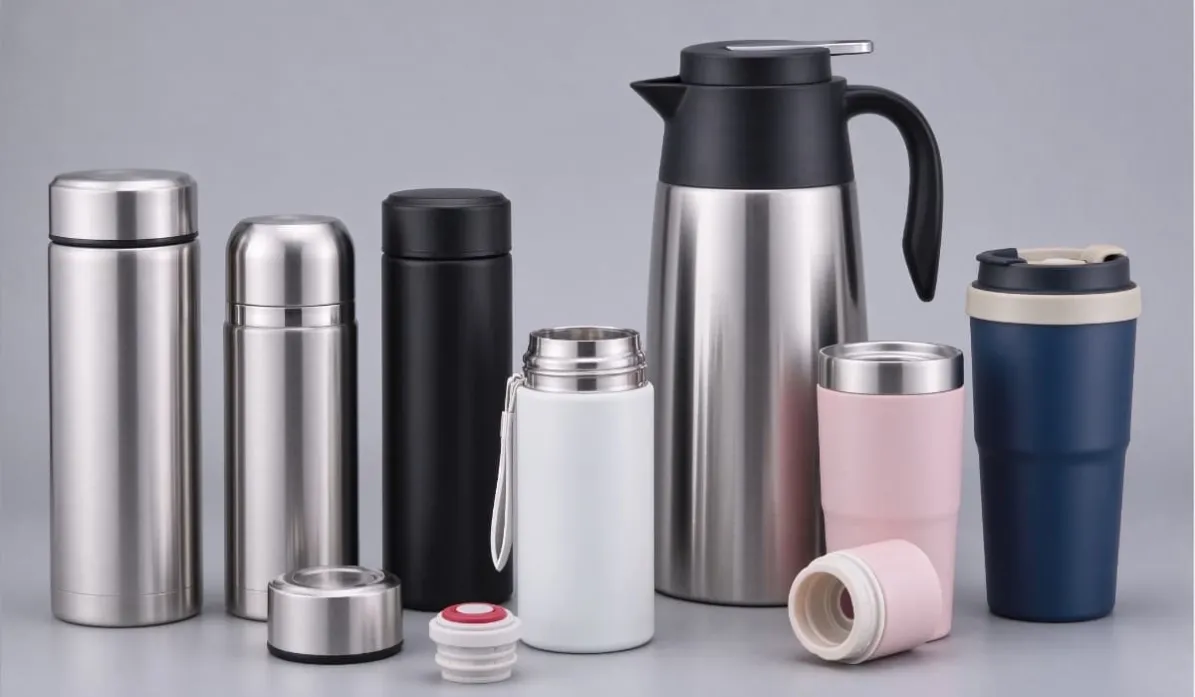
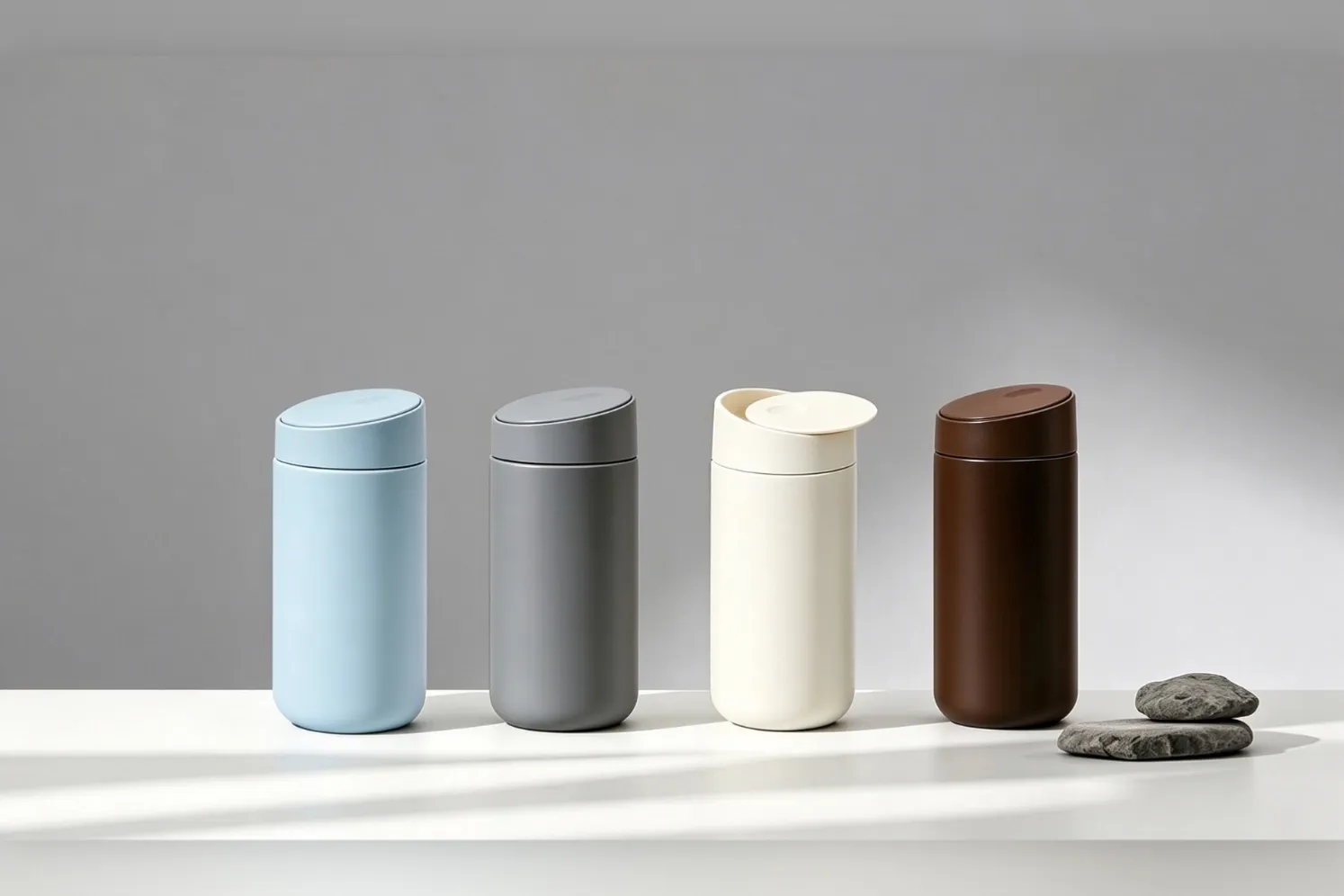
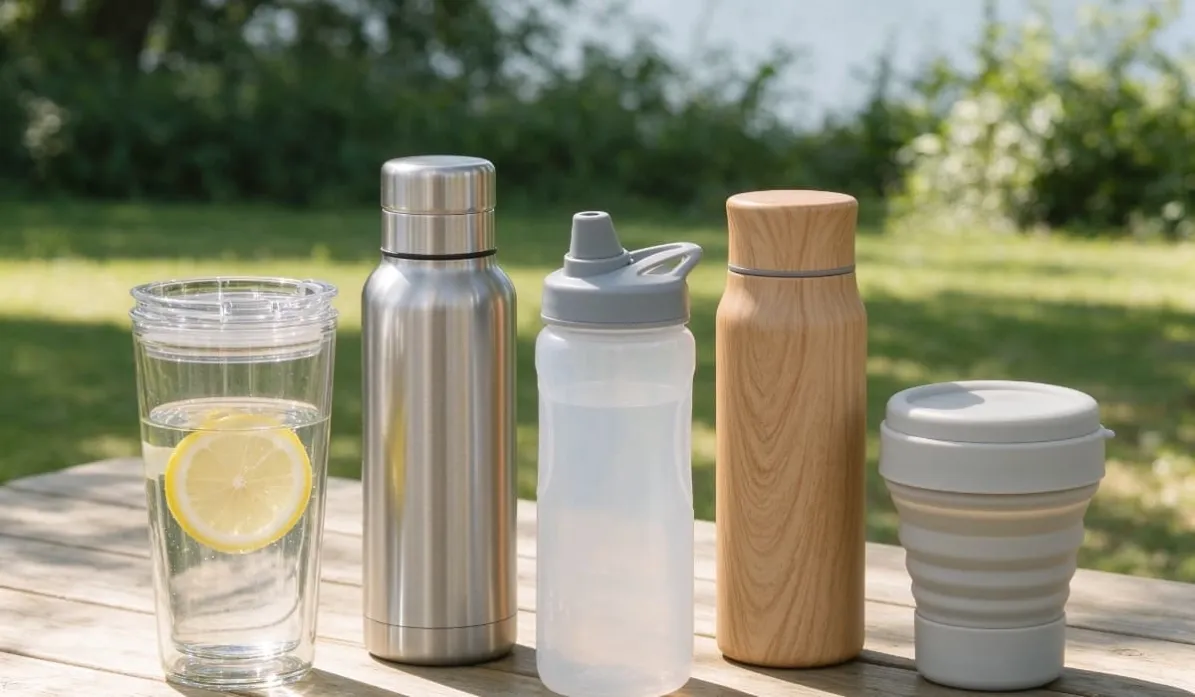
Water cups are one of the must-haves for outdoor travel. Travel cups come in many materials, such as plastic, glass and stainless steel, but which one is more suitable for outdoor use? What are the pros and cons of each? Many travel novices know little about this, and even some small wholesalers of travel cups find it hard to decide which type to stock first. Sanso has produced outdoor travel cups for many years and has a better understanding of what users need. I will explain each material in detail below:
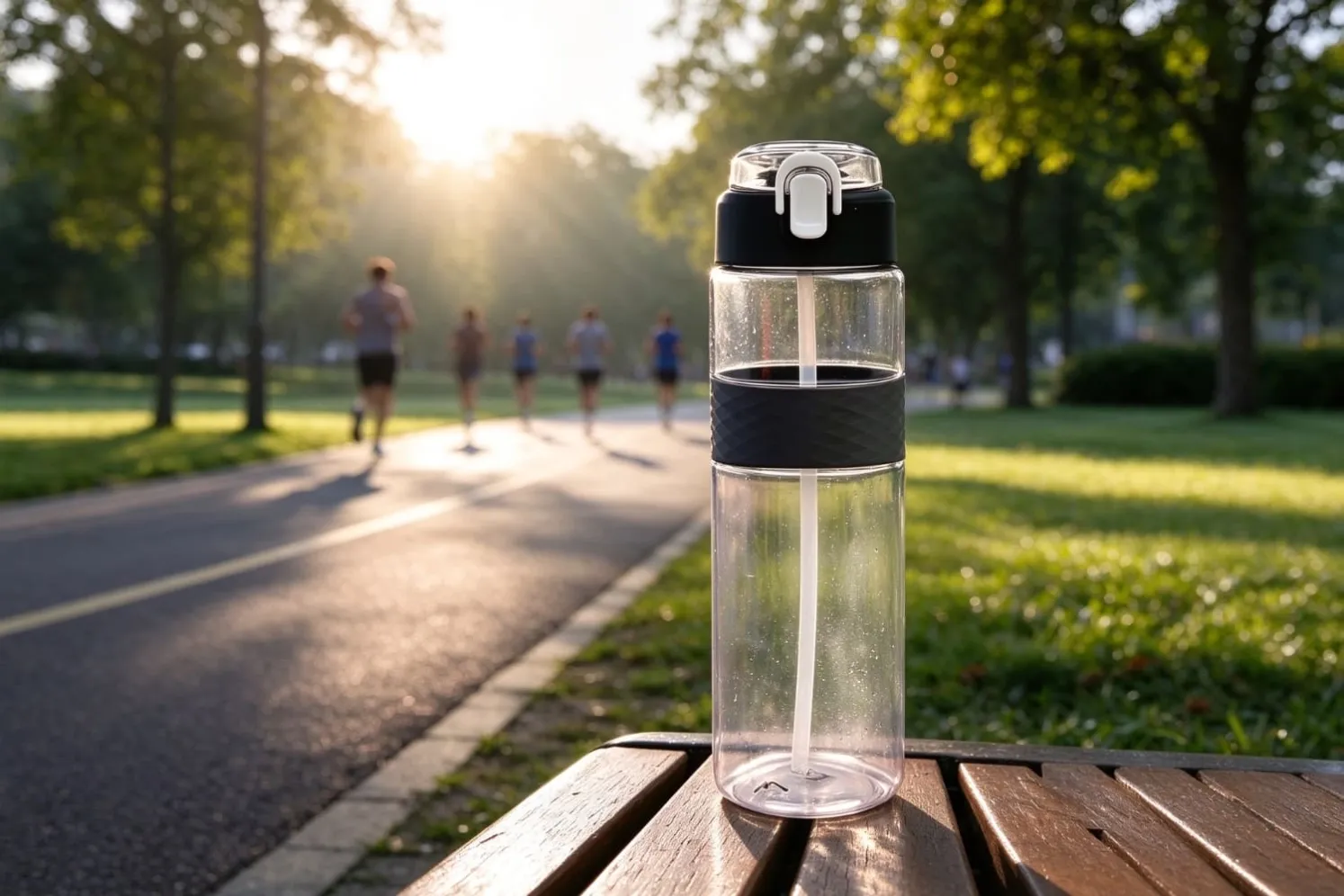
Plastic water cup
Plastic cups are lightweight and easy to carry, but when it comes to hot drinks they do more harm than good. If you regularly fill a bottle with hot water, especially boiling water, plastic with a lower melting point may release harmful substances, and this can affect your health over time. In addition, when you are out and about it is better to avoid plastic bottles and beverages sold in them: far too many single-use plastic bottles are thrown away, and they end up polluting the planet.
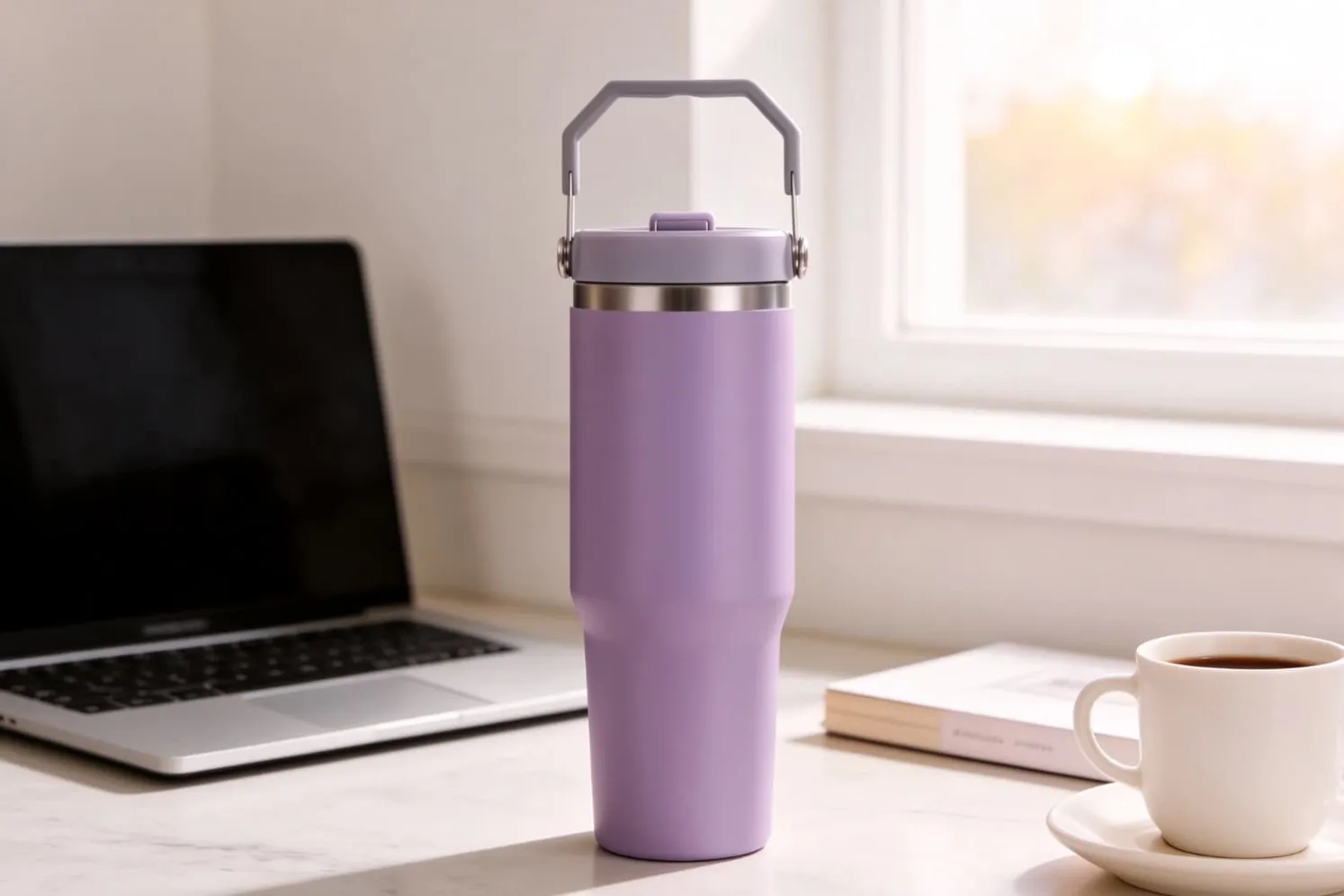
Stainless steel insulated water cup
A stainless steel bottle is a little heavier in your bag, but it keeps heat better than any other material, so you can still drink hot water 6-8 hours after filling it - especially useful in winter. When choosing an insulated stainless steel bottle, pay attention to the material: food-grade steel is safer and better for your health.
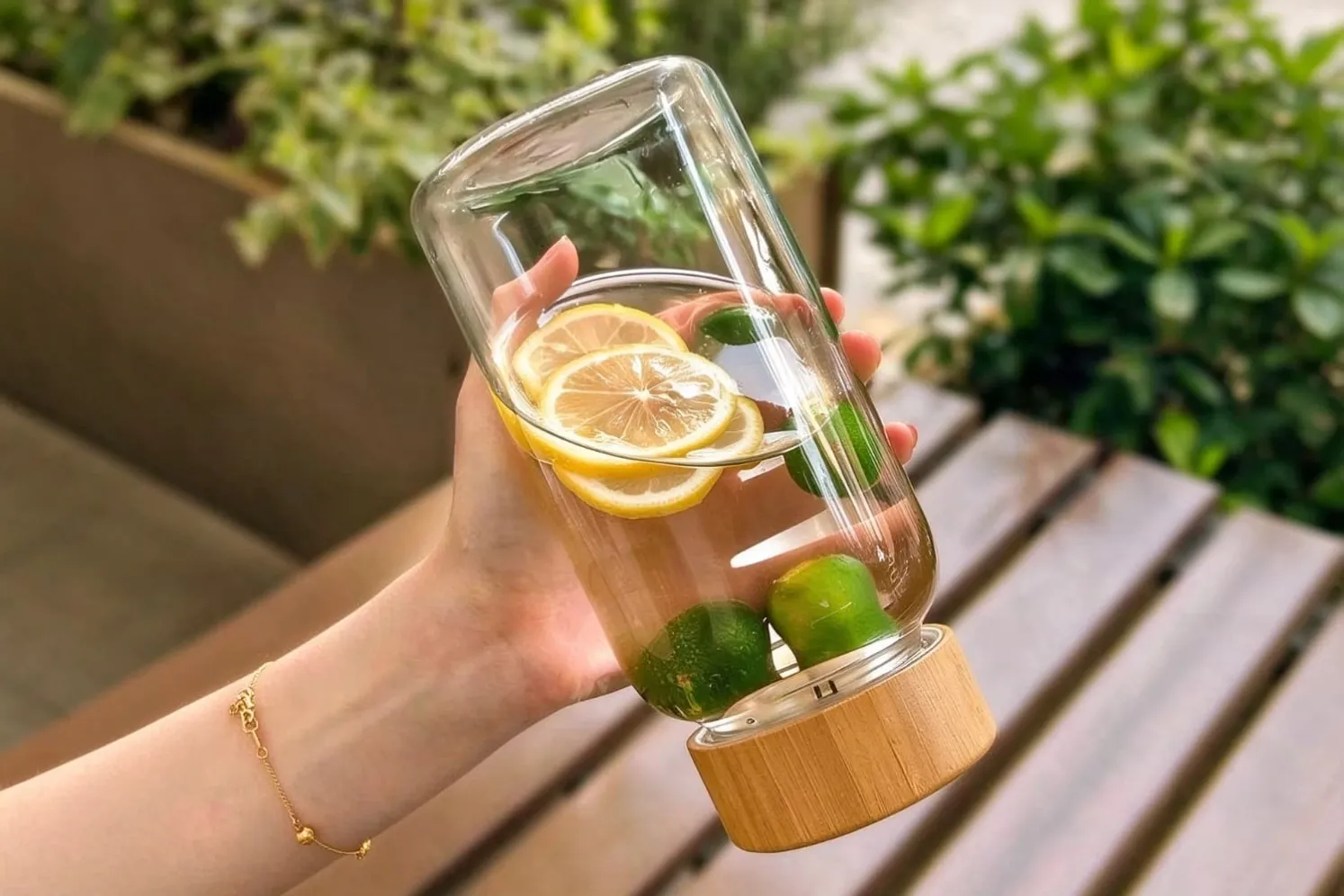
Glass water cup
Glass bottles are becoming more and more popular, and for good reasons. Their smooth surface is easy to clean and resists bacteria and dirt. More importantly, heat-resistant glass can withstand temperatures of up to 1200 degrees Celsius, so it can be used for making tea or filled with boiling water without producing toxic substances. Glassware is everywhere in daily life - drinking cups, baby feeding bottles, water bottles and more. The downside is that glass breaks easily; I once bought several glass bottles for my children, and every one of them broke. Even so, many people remain loyal to glass bottles, and some manufacturers continue to produce them, since glass is both environmentally friendly and healthy.
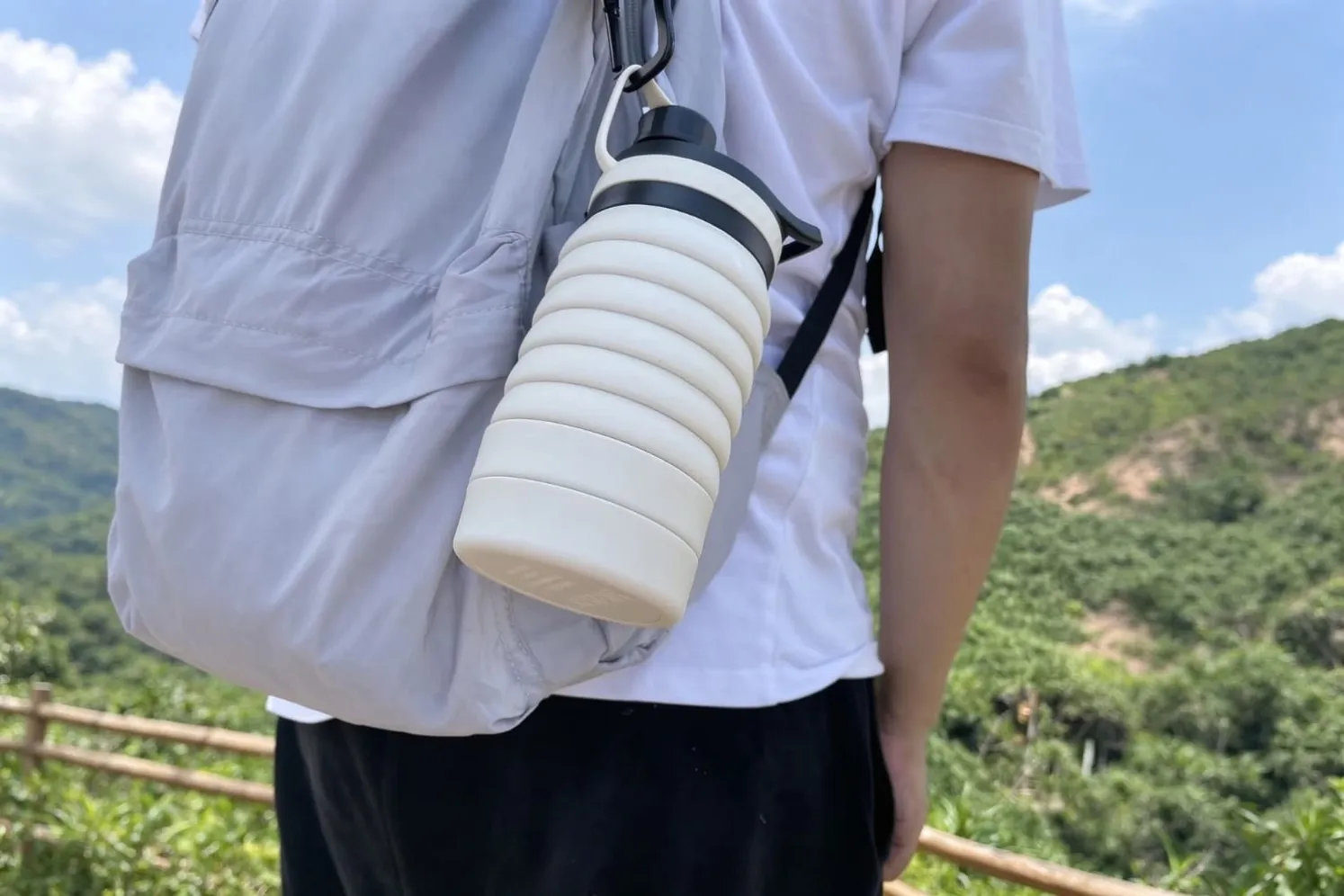
Silicone foldable water cup
Silicone foldable cups insulate heat, resist radiation and handle temperatures from -80 to +320 degrees, and they do not break. Unlike glass, silicone can be produced in many colours - clear, much like transparent glass, as well as brighter shades and even fluorescent versions. With their foldable design, they also solve the storage problem neatly, which is why consumers increasingly favour them.
I hope this introduction has given you a clearer understanding of the different materials used in travel cups and helps you make your choice. If you would like to know more about travel cups, please contact Dianying. We have specialized in producing water cups for more than 10 years, and offer high quality, competitive prices, low MOQ and free samples. We are a reliable cup manufacturer.